Portable buildings in the Florida Panhandle face more than daily sun and humidity. Every season brings the threat of tropical storms and high winds.
Sheds, garages and portable buildings that aren’t built for these forces can suffer major damage, from warped doors to total structural failure. For contractors, property owners and anyone relying on secure storage, recognizing the warning signs of inadequate wind resistance can save a building and what’s inside from disaster.
Storage Shed and Portable Building Construction Shortcuts That Fail in Florida Winds
Flimsy or Minimal Framing
One of the first red flags in a shed is lightweight wall framing. Some mass-produced or “bargain” sheds use widely spaced studs, undersized lumber or lack key reinforcements. In Gulf Coast conditions, a lack of substantial framing leads to flexing, twisting and collapse under lateral wind loads.
Robust framing, tight stud spacing and reinforced corners are essential for holding up to Florida gusts.
Poor or Missing Anchoring
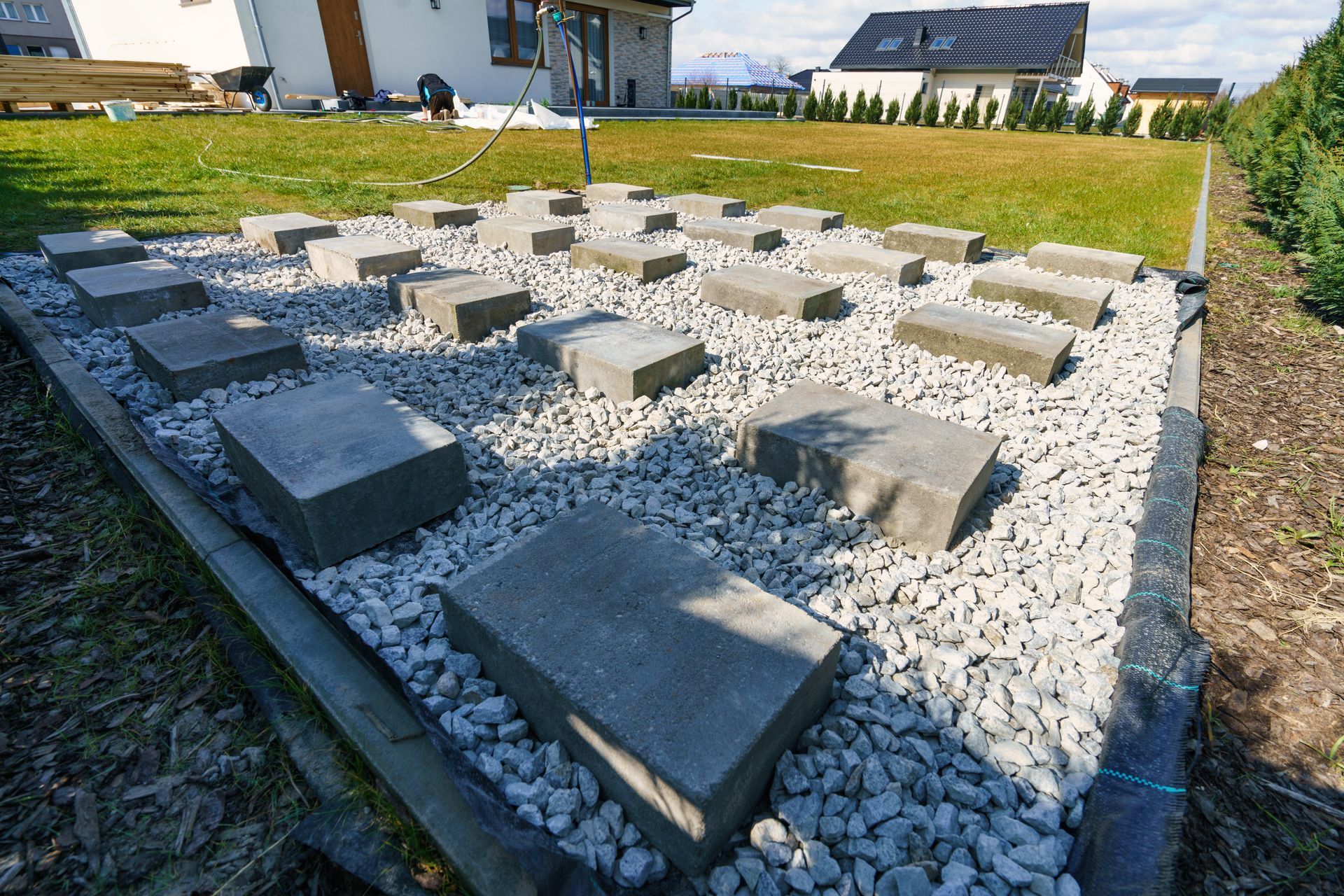
No portable building is wind-ready without proper anchoring. Sheds set directly on blocks, bare soil or with only token straps are at serious risk. True wind-resistant sheds use deep ground anchors that are driven or augered into the soil and secured at multiple points. If a shed moves under hand pressure, rocks on its base or has anchors that appear retrofitted or temporary, it’s not built for this region.
Weak Door and Window Assemblies
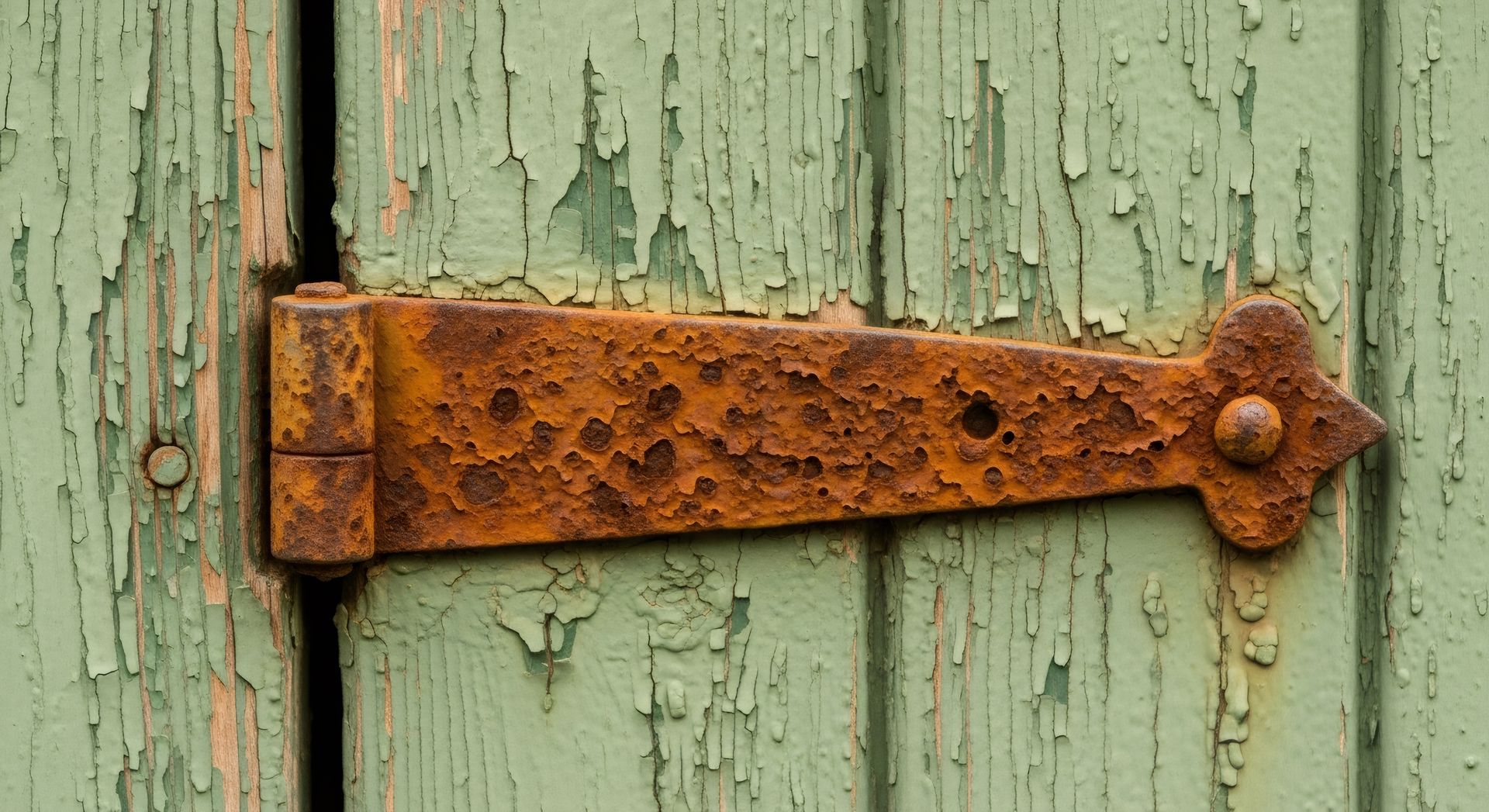
Doors and windows are prime targets for wind damage. Signs of vulnerability include thin, single-skin panels, surface-mounted hinges and basic hardware. Doors that sag, flex or lack full framing around their openings can easily fail. For real wind resistance, all access points need secure framing, braced hardware and proper weather sealing.
Roof and Wall Connections Without Reinforcement
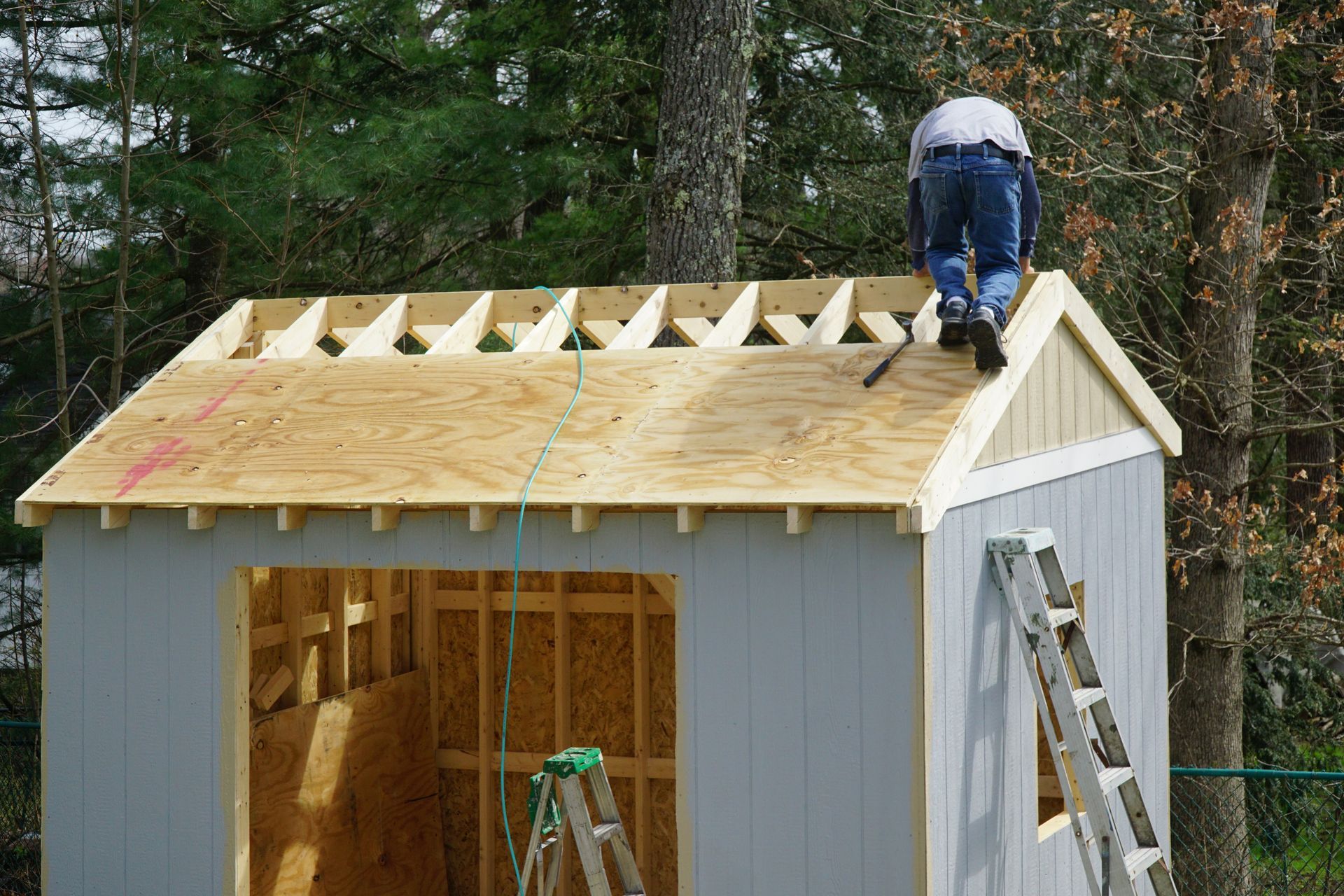
Look at the connections between roof and wall sections. Sheds that rely on nails, light screws or staples for these critical junctions are not ready for severe wind. Absence of metal connectors, hurricane ties or bolted fasteners at structural intersections is a major weakness. When these connections fail, the building can literally come apart in a strong squall.
Inadequate Venting and Pressure Relief
Some sheds lack proper soffit, ridge or gable vents. While venting is critical for moisture control, it also prevents dangerous pressure buildup inside the structure during high winds. Buildings without engineered venting solutions may be at greater risk of blowout or panel failure during a storm.
How Professionally Built Sheds Compare to Big Box and Kit Sheds
Most sheds sold as kits or delivered by big box stores are designed to hit a price point, not to withstand the realities of Gulf Coast weather. These buildings typically use lighter framing, wider stud spacing, basic hardware and only optional or minimal anchoring systems. If the instructions or product listing make no mention of wind ratings, that’s a red flag for coastal buyers.
Used or Out-of-Area Sheds
Sheds brought in from other regions or resold as used often lack documentation or reinforcement for Florida’s wind zones. Signs include makeshift anchors, patch repairs or no proof of local installation.
What a Wind-Ready Portable Building Looks Like
When wind resistance is a priority, quality is visible in the details. A storage shed or custom portable building that’s constructed to withstand Gulf Coast wind should have:
- Close stud spacing and reinforced framing throughout
- Heavy-duty anchoring systems installed to meet or exceed local wind load requirements
- Solid-core or double-framed doors and securely installed windows with upgraded hardware
- Engineered roof-to-wall connectors, hurricane ties and lag bolts at all major junctions
- Professional-grade venting for both moisture and pressure relief
- All lumber and fasteners rated for exterior, coastal use
Bestway Portable Buildings applies these standards to every structure, ensuring that your shed or custom portable building will be a long-term asset capable of withstanding the Florida environment.
Be Confident in Your Portable Building Choice in Panama City, FL
The difference between a shed that weathers the next storm and one that ends up in the neighbor’s yard often comes down to the details above. When evaluating portable buildings for the Gulf Coast, inspect the structural essentials rather than deciding solely based on the price tag or brochure.
For a building that’s ready for what Florida brings, work with a builder who doesn’t compromise on wind resistance. Call Bestway Portable Buildings at (850) 747-8974.