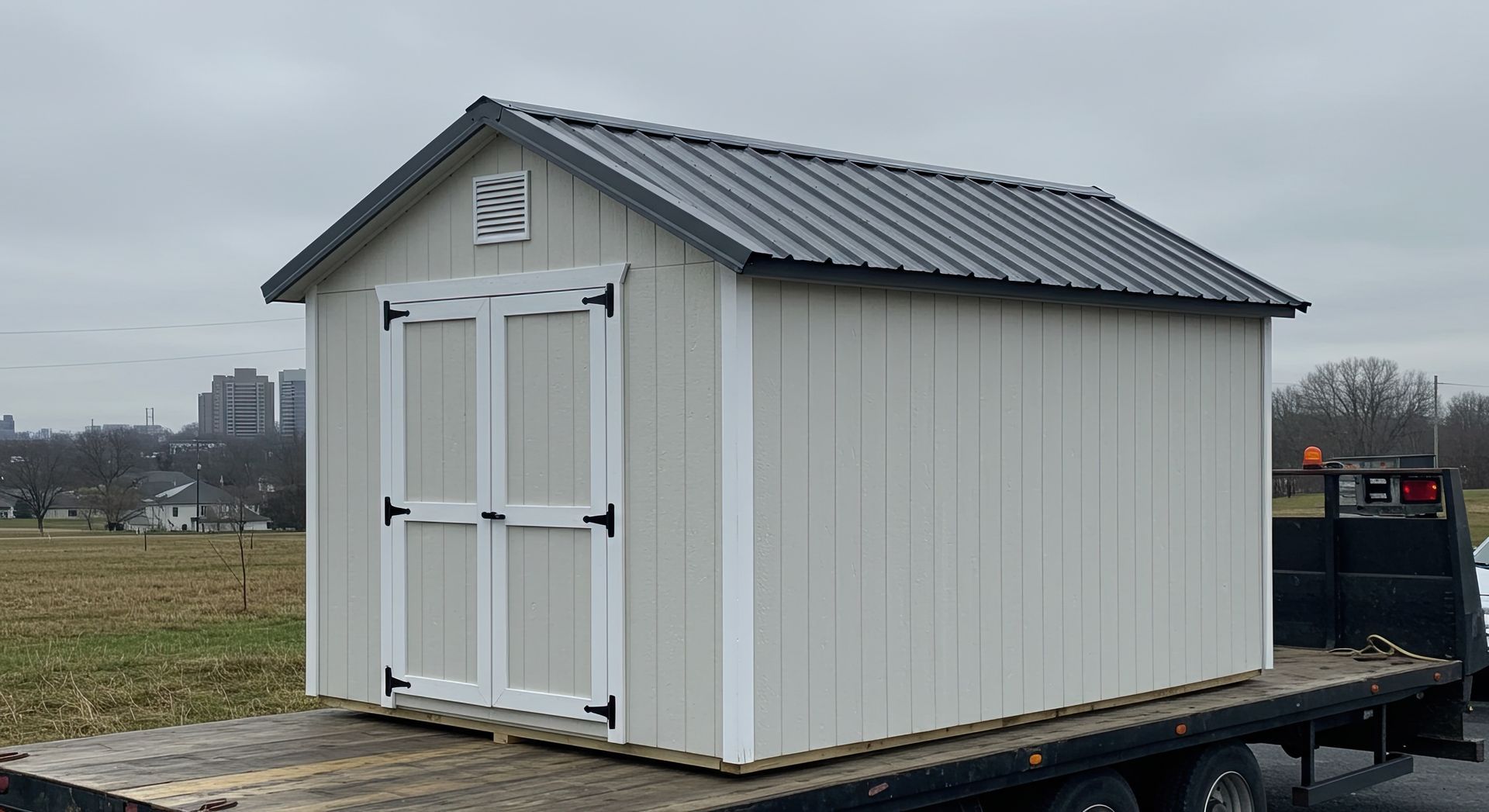
One of the biggest advantages of a modern portable building is right in the name: portability. Unlike permanent construction, many skid-based portable buildings are designed so they can be moved or relocated if your needs change. That flexibility is especially valuable for property owners who anticipate future site changes, expansions or resale.
That said, moving a portable building is not as simple as hooking up a truck and dragging it across the yard. It requires proper equipment, planning and experience to avoid damage or injury.
How Skid-Based Portable Buildings Are Designed to Move
Modern portable buildings, including those built by Bestway Portable Buildings, are typically constructed on pressure-treated skids. These skids serve as the building’s structural base and make it possible to lift, support and transport the structure when needed.
The skids:
- Distribute weight evenly
- Protect the building from ground moisture
- Allow lifting without stressing wall framing
- Provide attachment points for moving equipment
This design is what separates true portable buildings from site-built structures. However, “movable” does not mean “easy to move.”
Professional Equipment Makes All the Difference
Portable buildings are moved using specialized equipment designed specifically for shed and structure relocation. Depending on the site and building size, professionals may use:
- Shed-moving trailers that slide under the skids
- Heavy-duty dollies for short-distance moves
- Forklifts or telehandlers for tight access
- Cranes when obstacles or terrain prevent ground movement
The right equipment minimizes twisting, uneven lifting and sudden stress that could compromise the structure.
Attempting to move a building without proper gear risks damage to the skids, framing, siding and roof, not to mention personal injury.
On-Property Moves vs. Off-Site Relocation
Moving on the Same Property
This is the most common scenario. Owners may want to relocate a building:
- To improve access
- To make room for landscaping or construction
- To reposition utilities or drainage
- To adjust orientation for sun or wind exposure
On-property moves typically still involve professional lifting and transport to prevent ground damage and structural strain.
Moving to a New Location
Relocating a portable building to a different property is more complex. Factors include:
- Road transport permits for oversized loads
- Route planning to avoid low bridges or narrow roads
- Loading and unloading logistics
- Local regulations at the destination site
Larger buildings often require pilot vehicles or escort services, depending on width and length.
Why Moving a Portable Building Is Not DIY-Friendly
Even though skid-based buildings are designed to be moved, relocation is not a DIY project. Common risks of unprofessional moves include:
- Structural racking from uneven lifting
- Damage to skids or floor framing
- Cracked siding or roof seams
- Injury from shifting weight
- Site damage to lawns, driveways or foundations
Professional movers understand load balance, lift points, terrain challenges and how to protect both the building and the property.
Site Preparation Still Matters
Whether moving on-site or off-site, the destination area must be prepared properly. This may include:
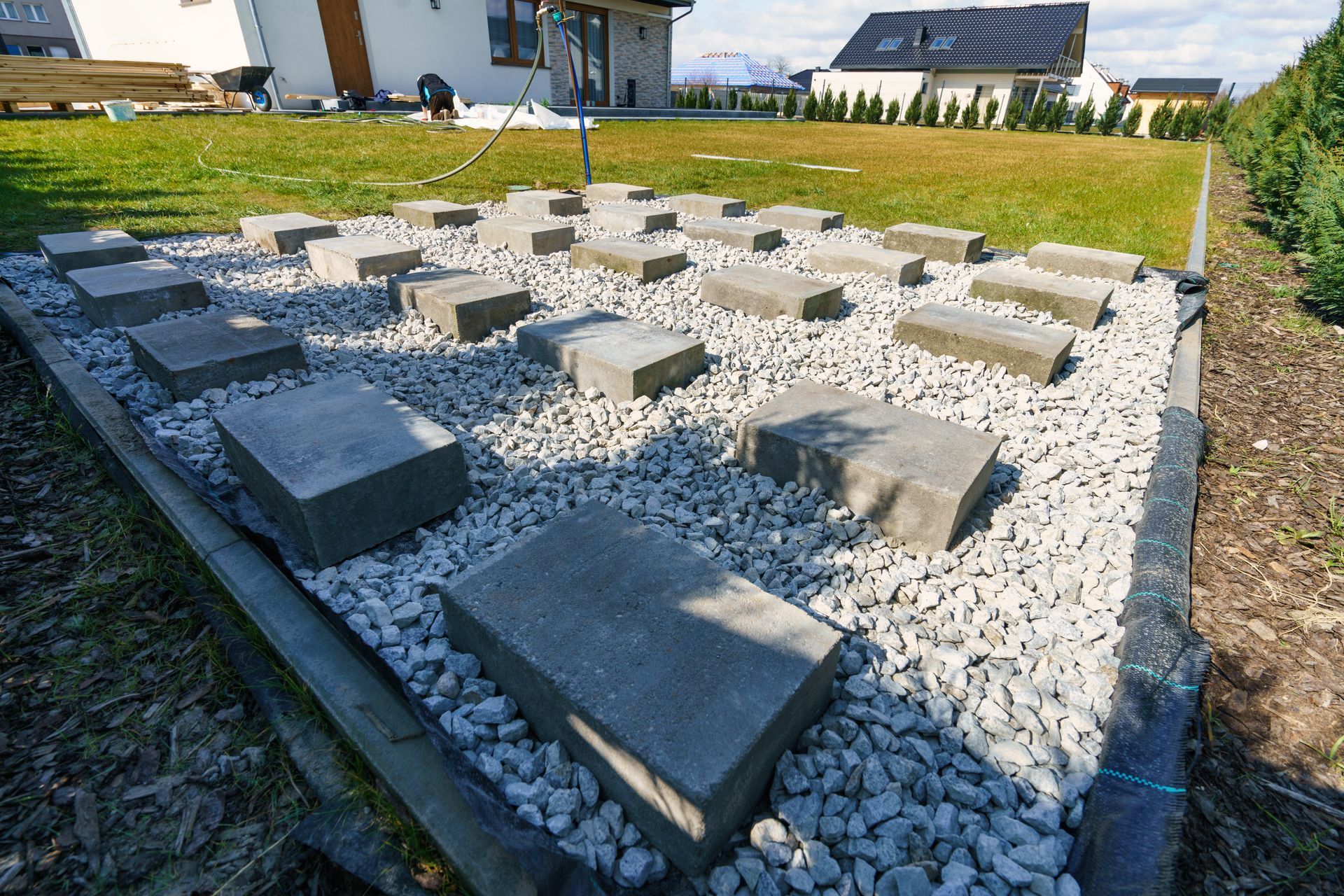
- Leveling and compacting the ground to prevent shifting or settling
- Ensuring proper drainage to avoid moisture buildup under the structure
- Providing adequate access clearance for trailers and installation equipment
- Placing foundation supports, such as concrete blocks or piers, as needed
Skipping site preparation can jeopardize the building’s stability and longevity, even with a professionally managed move.
Timing and Weather Considerations
Moving a portable building is safest when conditions are right. Professionals in Panama City, FL typically avoid:
- Saturated ground that can cause sinking or tipping
- High winds that affect stability during lifting
- Muddy conditions that reduce traction
Planning Ahead Makes Relocation Easier
If you think you may relocate your building in the future, it helps to plan ahead from the beginning. Smart planning includes:
- Clearing access paths in advance
- Avoiding permanent attachments that complicate lifting if you know the portable building is going to be relocated in the future
- Coordinating utility connections so they can be disconnected safely
- Choosing placement locations with future moves in mind
A well-planned installation keeps relocation feasible without extensive rework.
Portable Doesn’t Mean Temporary, It Means Flexible
Bestway Portable Buildings can provide assistance to past customers who require moving or relocating guidance. Contact us today here on our website or call us at (850) 747-8974 to discuss your building and site considerations, or to learn more about new custom portable storage building fabrication and installation.