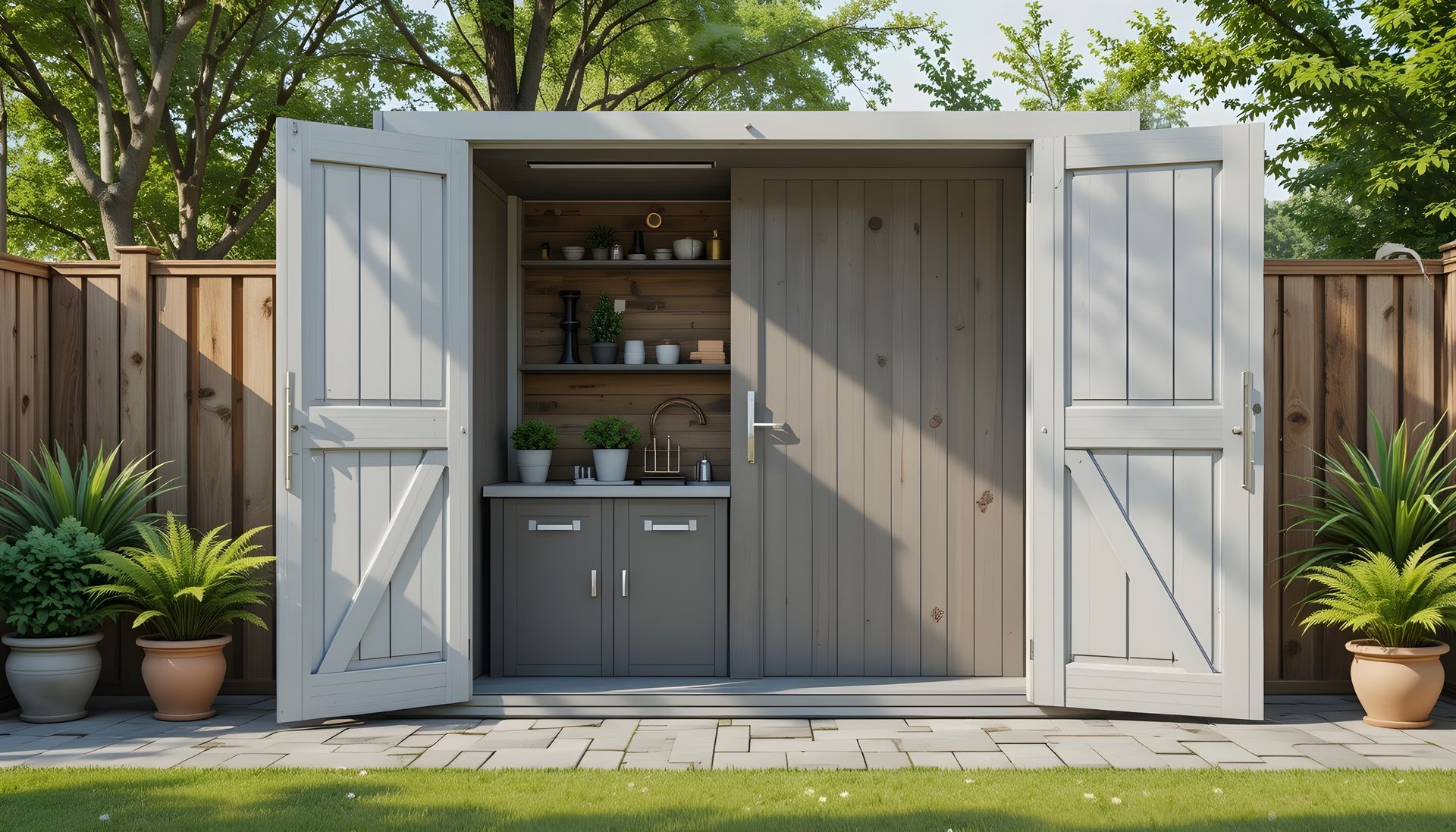
Many owners use custom portable buildings as workshops, studios, offices or utility spaces where access to water makes the building far more functional. Adding a sink, wash station or even a simple restroom is possible, but plumbing is one upgrade that benefits from advance planning, realistic expectations and coordination with your portable building manufacturer and installer.
Start With the Intended Use
The first question isn’t how to add plumbing, it’s what kind of plumbing you want to add. Plumbing needs vary widely depending on whether you want:
- A utility sink for cleanup
- A hand-wash station for a workspace
- A half-bath with a toilet and sink
- Seasonal water use versus year-round use
Each option affects water supply, drainage requirements and the amount of site work needed. Defining the purpose early helps prevent costly changes later.
Water Supply: Getting Water to the Building
Unlike traditional homes, portable buildings don’t come pre-connected to water. Supplying water almost always requires trenching from an existing water source. In the Florida Panhandle, where we don’t have to worry about freezing temps, the main key considerations are:
- Distance from the main water line
- Pressure needs for fixtures or equipment
In most cases, a licensed plumber will trench and run supply lines underground to the building. Planning the building’s placement relative to the water source can reduce trench length and cost.
Drainage Is Often the Bigger Challenge
Drainage is usually more complex than water supply. This usually requires connection to an existing sewer line or tie-in to a septic system. Drainage lines must slope correctly, which often means deeper trenching than supply lines and careful coordination with site grading.
Foundation and Anchoring Considerations
Adding plumbing does not automatically change how a portable building is anchored, but it can influence foundation choices and placement. Take into account:
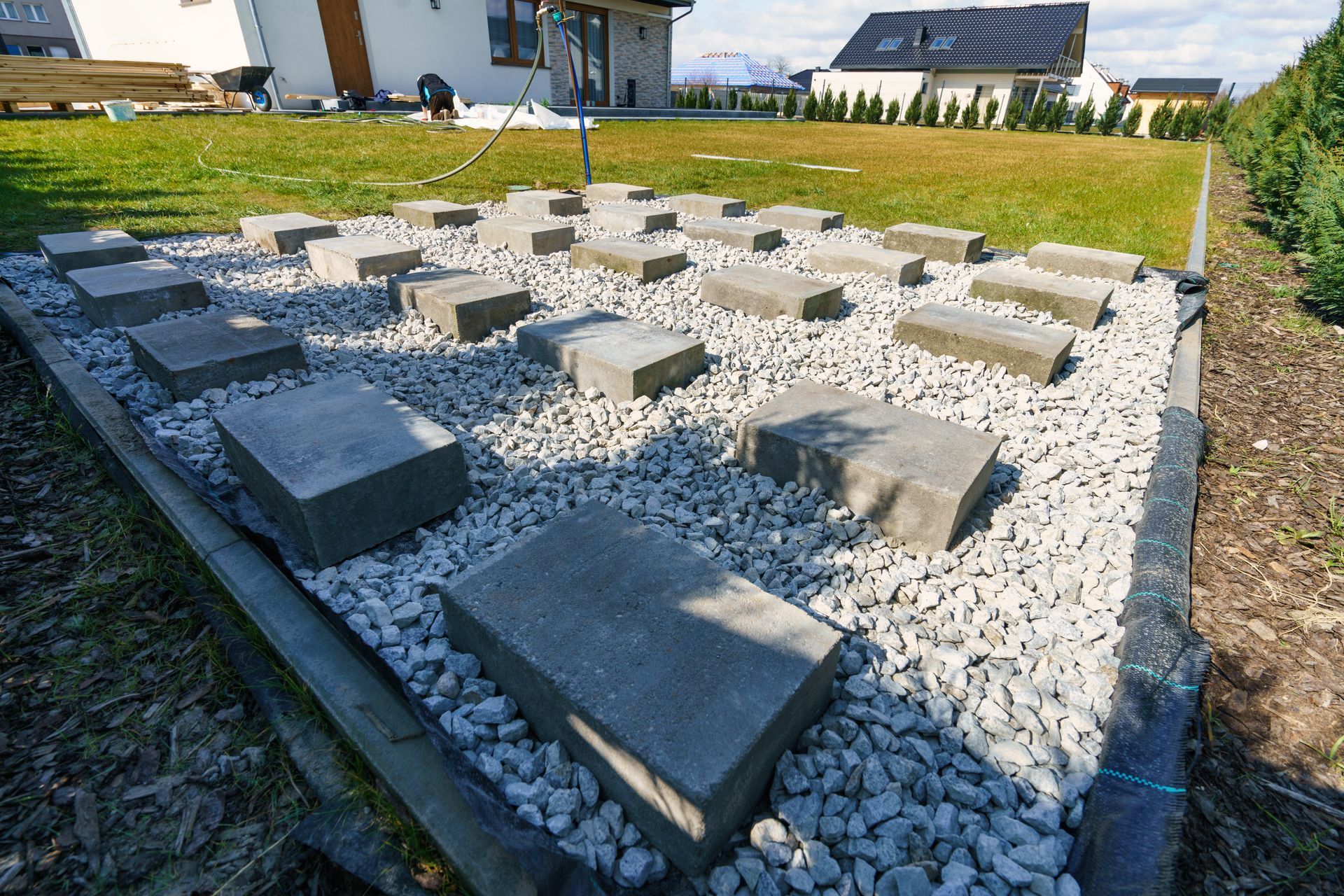
- Pier locations vs. slab foundations
- Clearance beneath the building for plumbing lines
- Access points for future repairs
- Avoiding conflicts between anchors and plumbing penetrations
In some cases, owners choose to install plumbing lines before the building is set so they align cleanly with floor penetrations, reducing cutting and retrofitting requirements later.
Planning Floor Penetrations Ahead of Time
During the build process, manufacturers can often:
- Leave designated floor openings
- Reinforce areas around penetrations
- Adjust framing layouts to accommodate fixtures
Doing this during construction is cleaner, stronger and more cost-effective than modifying the structure after delivery.
Interior Layout Matters More Than You Think
Portable buildings with plumbing often turn out best when fixtures are planned alongside your interior layout, not added as an afterthought. Smart layout choices include:
- Placing sinks or restrooms near exterior walls to simplify plumbing runs
- Grouping fixtures to reduce trenching and material costs
- Allowing space for venting and access panels
Even in small buildings, thoughtful layout decisions can dramatically reduce plumbing complexity.
Plan for Future Upgrades, Even If You Don’t Add Plumbing Now
If you’re unsure whether you’ll add plumbing immediately, it’s still smart to plan ahead. During the build process, you can:
- Specify framing that accommodates future penetrations
- Choose foundation spacing that allows access below
- Position the building to simplify future trenching
This kind of forward planning keeps your options open, even if you don’t plan on adding plumbing on day one.
Plumbing Is a Site Project, But the Building Sets the Stage
While the plumbing itself happens after portable building delivery, the building’s design plays a major role in how easy that process will be. A well-planned structure minimizes cutting, reduces labor time and helps ensure code compliance.
That’s why choosing a portable building manufacturer and installer in Panama City, FL who understands post-purchase customization is critical.
Start With a Portable Building Designed for Flexibility
Bestway Portable Buildings offers custom portable buildings that can be configured with future plumbing considerations in mind, including layout planning, floor penetration coordination and foundation compatibility. While we do not perform plumbing work, our buildings provide a solid foundation for licensed professionals to complete the job efficiently.
Contact us at (850) 747-8974 to discuss custom building options that support future plumbing additions and long-term functionality.