Property owners across the Panhandle know the limitations of unpowered storage. When heat and humidity creep in, even the best-built portable building can seem off-limits for anything but lawn tools and paint cans. As a result, valuable equipment, electronics, paperwork and seasonal gear often end up indoors, taking up space that could be put to better use.
While it’s true that certain sensitive items, like some electronics or specialty materials, are best kept in fully climate-controlled environments, there are effective ways to make your unpowered shed or portable building work harder for you.
Shed Design Features That Optimize Passive Protection
A shed’s ability to manage Florida’s extreme humidity starts with the way it’s built. Several passive features can significantly improve indoor conditions:
- Venting: Integrated ridge, soffit and gable vents encourage natural airflow, carrying off excess humidity and allowing hot air to escape without electricity.
- Reflective or Light-Colored Roofing: Choosing a roof that reflects sunlight instead of absorbing it can keep interior temperatures more stable, reducing the risk of condensation.
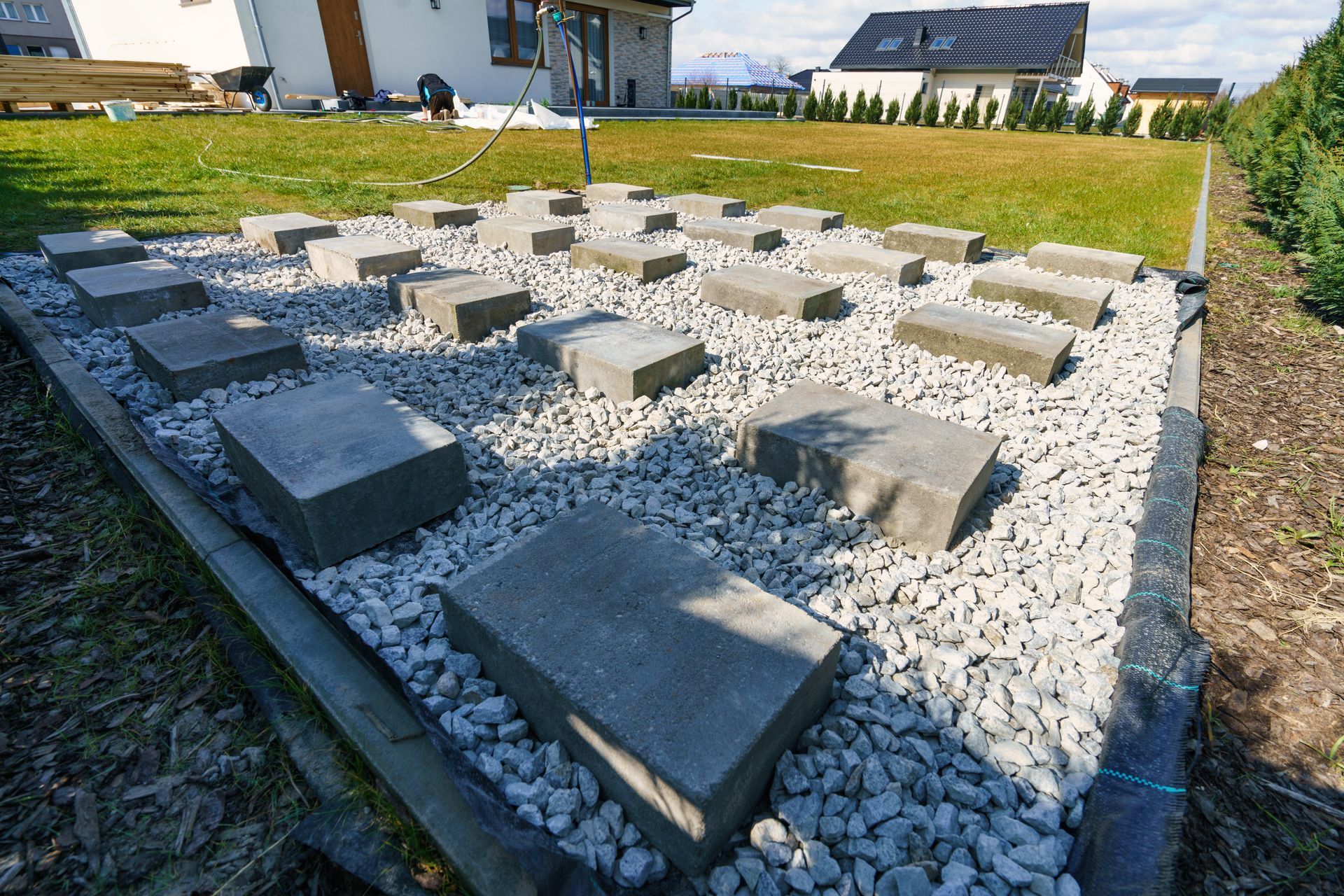
- Elevated Floors: A properly elevated shed base minimizes ground moisture, which is a leading cause of rot and mold. Pressure-treated skids and floor joists provide an essential barrier against ground moisture.
- Moisture-Resistant Materials: Wall linings and flooring designed for high-humidity environments make a difference, reducing the risk of mildew and warping.
Bestway’s portable buildings are built with these considerations in mind and are easily adaptable if you ever decide to add powered climate control down the road.
Passive Moisture Control Strategies
For most storage needs, it’s possible to significantly reduce the risks of mold, mildew and corrosion without electricity:
- Desiccants and Absorbents: Use silica gel packs, moisture-absorbing tubs or specialty desiccant canisters inside cabinets, bins or even open shelving to draw moisture out of the air.
- Vapor Barriers: Laying a high-quality vapor barrier beneath your shed, or even using wall and floor barriers, can limit ground moisture intrusion and condensation.
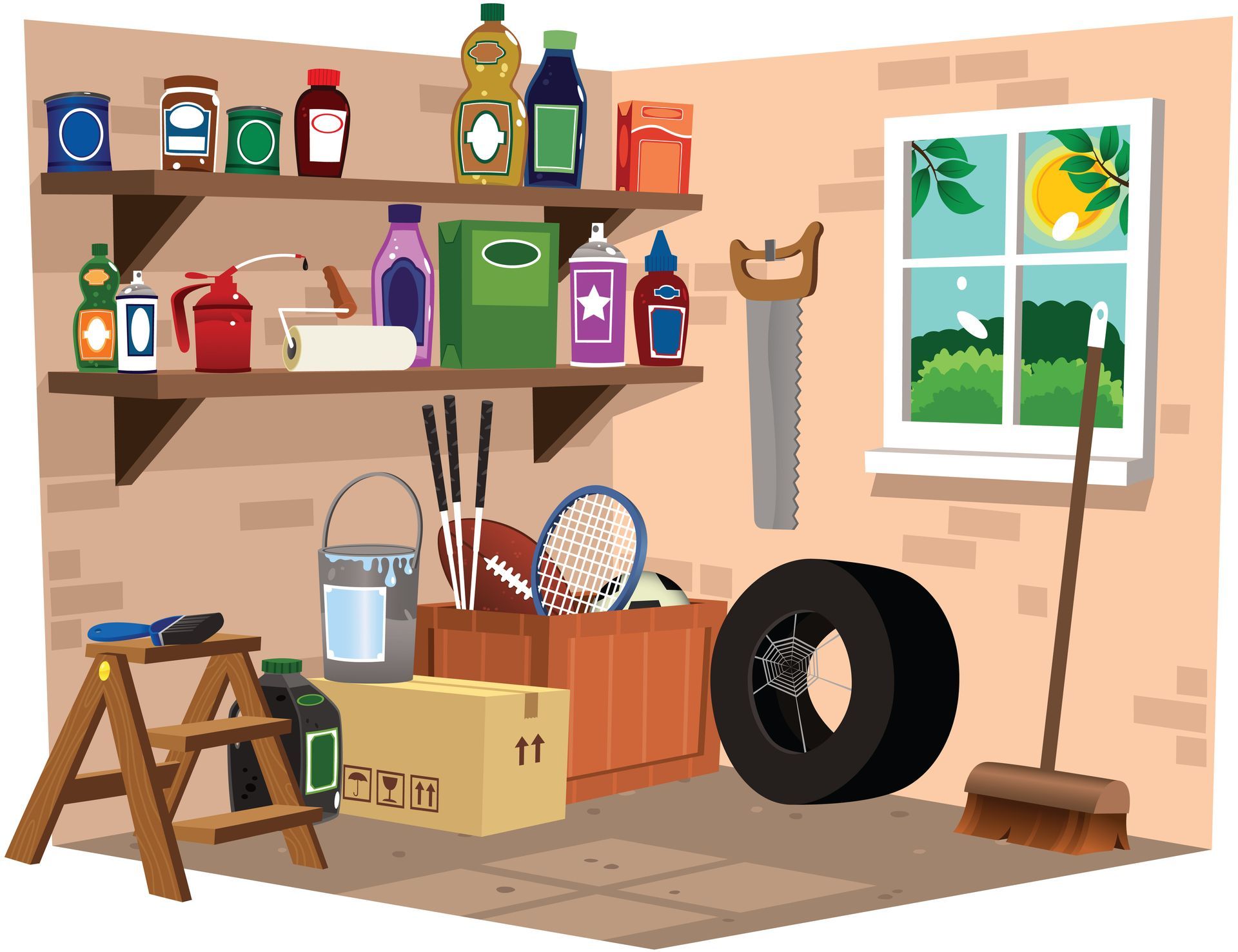
- Keep Items Off the Floor: Install shelving, use pallets or elevate bins to keep stored items clear of any standing water or condensation at ground level.
- Cross-Ventilation: On dry, breezy days, open doors and windows to promote airflow and help air out the interior, but always secure them properly when storms threaten.
Passive Heat Reduction Approaches
High interior temperatures can speed up material degradation and fuel humidity problems. These non-powered strategies can help regulate indoor temperatures:
- Roof and Gable Vents: Well-placed vents allow hot air to escape naturally, reducing the risk of heat traps in attic spaces or upper storage shelves.
- Strategic Shading: Planting trees or shrubs at a safe distance, adding awnings or using exterior sunshades can shield your building from direct sunlight.
- UV-Blocking Window Films and Curtains: These simple additions can reduce solar gain and protect sensitive items from sun damage, especially on south- or west-facing exposures.
Best Storage Practices for Sensitive Gear
Passive climate control improvements work best when paired withshed smart storage techniques:
- Airtight Bins: Store paperwork, photographs and small electronics in well-sealed plastic bins or vacuum bags to minimize humidity exposure.
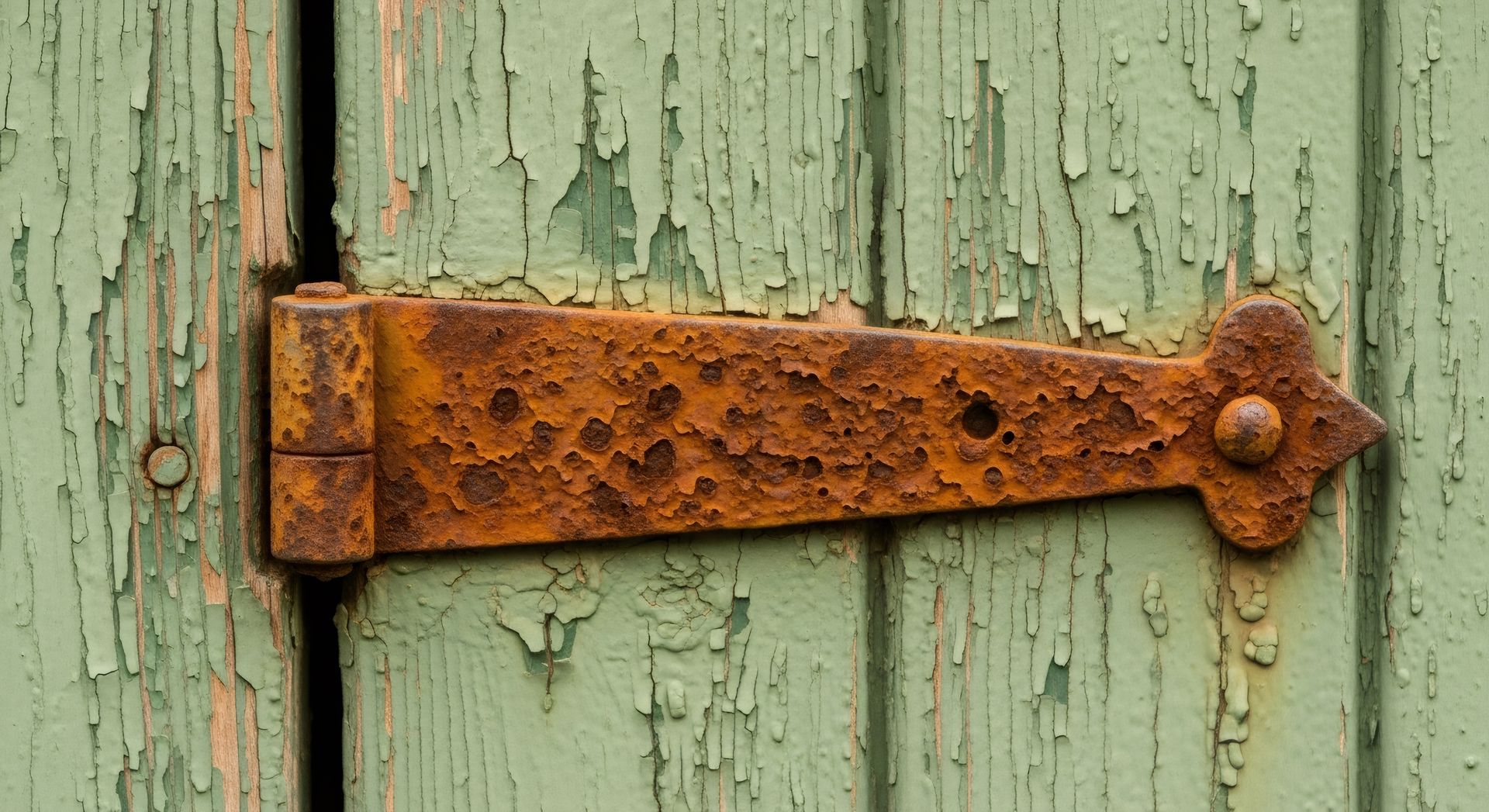
- Separate Metals and Fabrics: Avoid placing metal tools or hardware in contact with fabrics, which can trap condensation and accelerate rust.
- Use Original Cases or Anti-Rust Solutions: Power tools, sporting equipment and electronics often fare better in their original, foam-lined cases or with added anti-rust paper or sleeves.
- Routine Inspection: Rotate and check stored items at least seasonally, looking for early signs of moisture or heat damage.
Why Build Quality and Adaptability Matter
Reliable, passive protection starts with the building itself. Design details like continuous venting, properly elevated floors and quality, moisture-resistant materials are what separate a functional Florida shed from an unreliable one.
Our portable buildings are engineered for these demands and they’re adaptable for future climate control upgrades or custom ventilation.
What You Probably Shouldn’t Store in an Unpowered Shed
Some items, like heirloom photos, high-value electronics or delicate materials, may still require more than passive protection. Although you may be able to make do with solar-powered fans, either wiring your portable building for HVAC or storing those items in your home is probably the safest way to avoid property damage.
With the right strategies and a well-designed shed, property owners in Northwest Florida can store far more, with greater peace of mind, even in unpowered conditions. To learn more about our portable buildings or how they can be customized to meet specific storage needs, call us at (850) 747-8974.