When business owners or property managers invest in a portable building, they often focus on the structural attributes like materials, size, layout and customization. But in Florida, one of the biggest factors affecting a portable building’s lifespan isn’t the building at all. It’s the ground beneath it.
Florida soil conditions, drainage patterns and vegetation growth can dramatically shorten the life of a portable building if not taken into account when making placement decisions. Whether you’re installing a portable office, carport, storage unit, pole barn or modular workspace, understanding how site conditions impact longevity is critical.
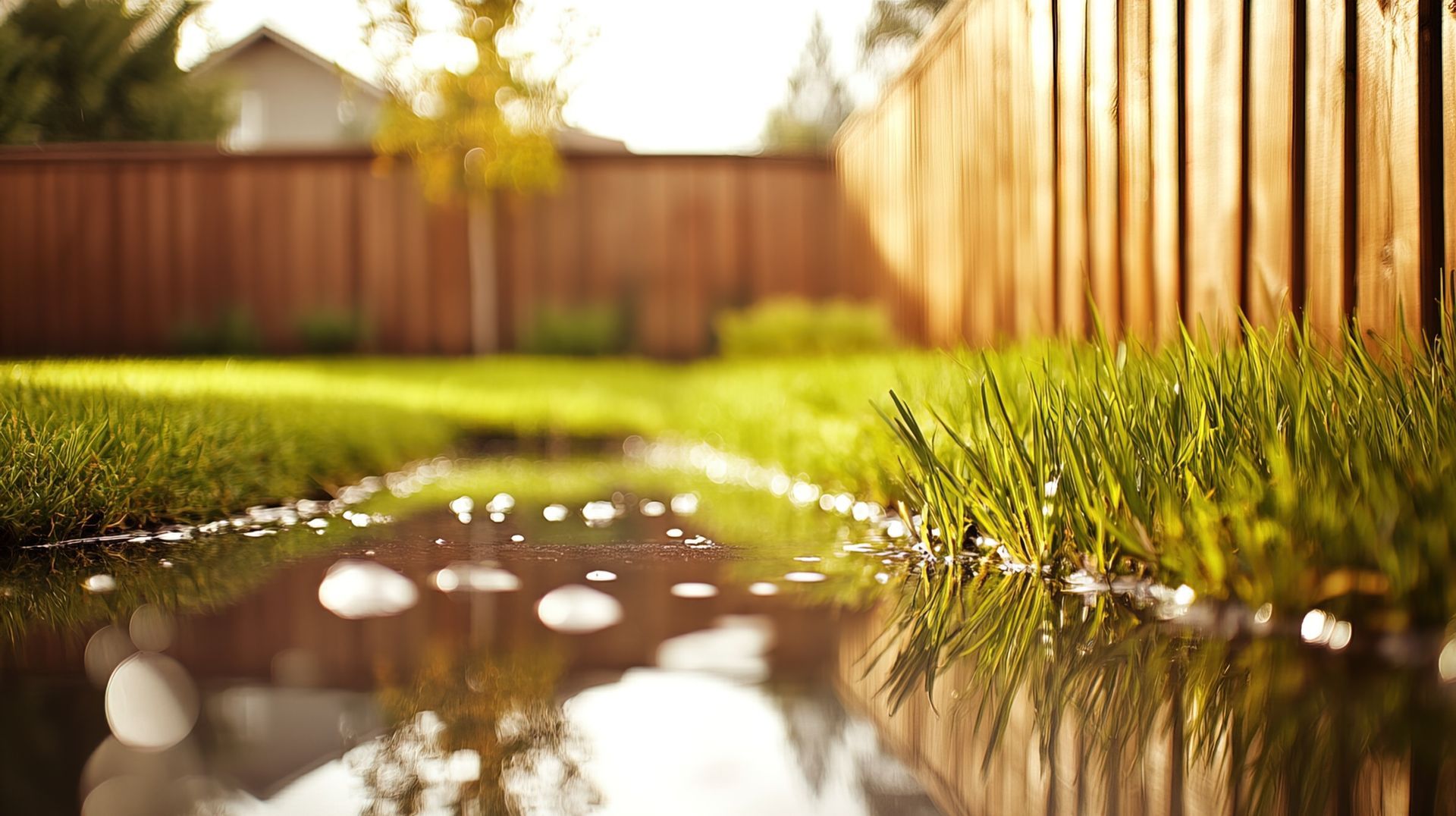
Poor Drainage and Standing Water
Florida is known for heavy rain, high water tables and sudden downpours. If your portable building is installed on a site without proper grading or drainage planning, water can quickly become your biggest enemy.
Standing water around your building can:
- Accelerate corrosion on steel components
- Saturate the base frame and anchoring system
- Weaken the soil supporting the structure
- Promote mold and moisture intrusion
Even galvanized steel buildings can deteriorate prematurely if exposed to constant moisture at ground level.
Common Drainage Mistakes
- Installing directly on ungraded soil
- Skipping a gravel or concrete pad
- Failing to slope water away from the structure
- Placing buildings in low-lying areas
In Florida, even short-term pooling after rain can repeatedly soak the base rails. Over time, this wet-dry cycle speeds up rust formation and structural stress.
Pooling Water at the Base
Drainage and pooling water are related, but pooling directly at the base of your building creates a concentrated risk zone. When water collects against the base rails or wall panels:
- Coatings degrade faster
- Sealants break down
- Fasteners corrode
- Framing components weaken
Florida’s humidity means pooled water evaporates slowly, especially in shaded areas.
If your building houses office equipment, inventory or tools, excess moisture also increases interior humidity levels, creating conditions that my damage property.
Maintaining at least several inches of clearance between the building base and surrounding soil, and ensuring landscaping does not trap water against exterior walls, can help.
Uneven Settling and Soil Movement
Florida soil can be sandy, loose or highly moisture-sensitive depending on location. Without proper compaction and preparation, uneven settling can occur.
What Is Uneven Settling?
Uneven settling happens when one portion of the building foundation sinks more than another. This can result in:
- Doors that won’t close properly
- Window misalignment
- Cracks in interior finishes
- Structural stress on framing
- Roofline distortion
Over time, structural imbalance puts added pressure on joints, seams and fasteners, shortening the portable building’s lifespan.
Why Florida Soil Makes This Worse
Florida’s soil can shift significantly due to:
- Heavy rainfall
- High groundwater levels
- Drought followed by sudden storms
- Poor compaction during installation
Improper site prep is one of the leading causes of premature structural issues in portable buildings.
Vegetation Contact and Overgrowth
It may seem harmless, but vegetation touching your portable building can cause long-term damage. Risks include:
- Trapped moisture against exterior panels
- Scratched protective coatings
- Pest intrusion
- Poor airflow around the building
- Clogged drainage paths
Plants grow quickly and aggressively on the Gulf Coast. Vines, shrubs and tree branches can rub against metal siding, exposing bare steel and leading to surface oxidation.
Tree roots can also disrupt foundations or shift soil underneath your portable building over time.
Maintaining a vegetation-free buffer zone around your portable building and regularly trimming back shrubs, trees and grass can help prevent those issues.
Irrigation Spray and Landscaping Issues
Repeated exposure to water, especially if mixed with fertilizers or lawn chemicals, accelerates corrosion and coating breakdown.
Sprinklers aimed at the base of the building create chronic moisture exposure similar to pooling water.
Protect Your Portable Building Investment in Panama City, Florida
Bestway Portable Buildings provides high-quality portable building solutions designed to withstand the Florida Panhandle environment. Our team can help guide you through site preparation considerations to ensure your building is set up for long-term success.
Contact us at Bestway Portable Buildings today by calling (850) 747-8974.