Portable buildings are designed for flexibility, durability and long-term use. But over time, even a well-built and properly installed structure can experience minor settling. In Florida, especially, soil movement, heavy rain and drainage issues can gradually shift support points beneath the building.
If you’ve noticed doors sticking, uneven floors or visible tilt, you may be dealing with settlement. Portable building leveling is typically a straightforward adjustment, especially compared to repairing a traditional slab foundation.
Why Settlement Can Still Happen
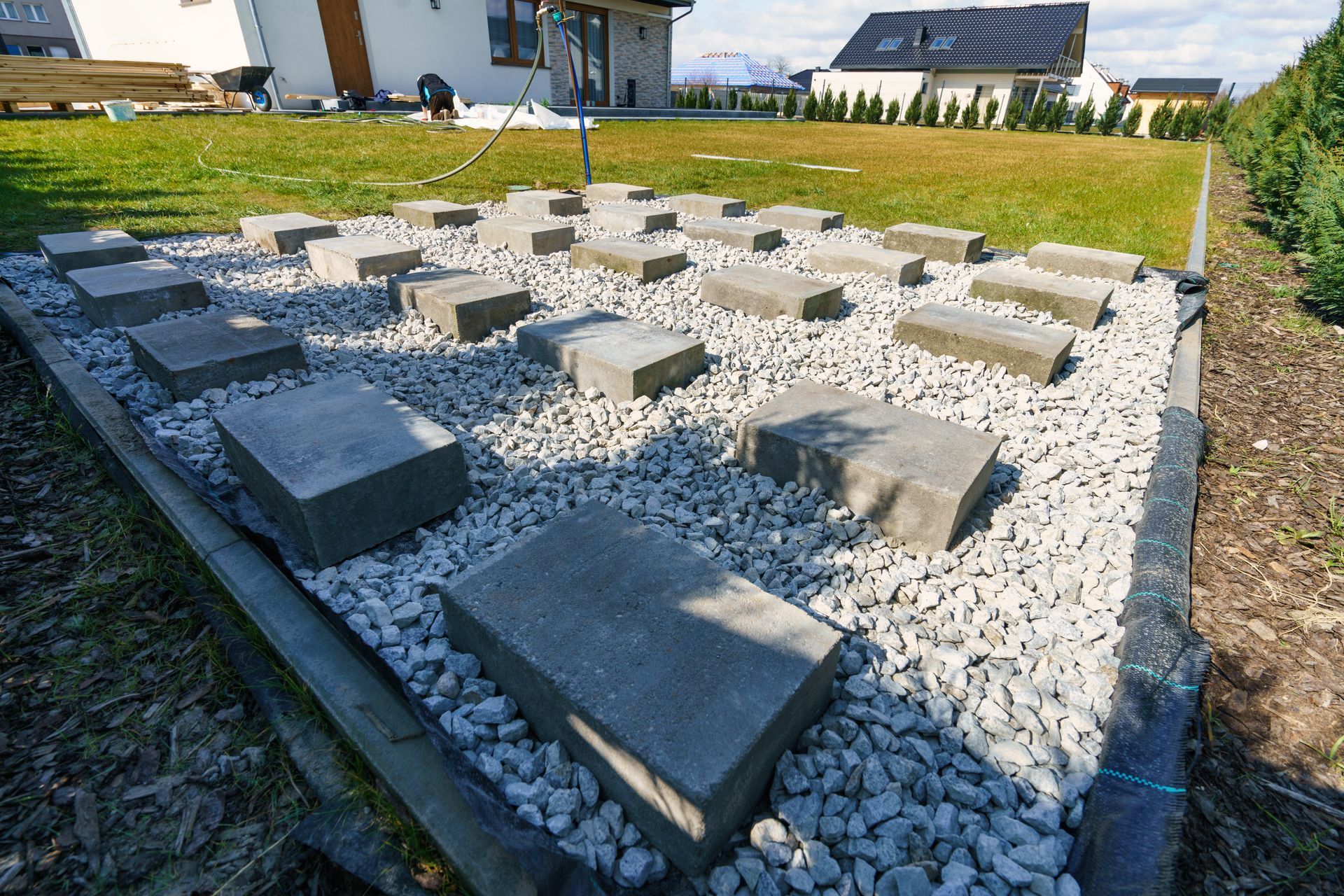
Many portable buildings are installed on pier or block foundations rather than continuous concrete slabs. While this system offers flexibility and cost efficiency, it also means the structure relies on discrete support points.
Even with properly installed pier foundations, settlement can still occur.
Common causes include:
- Sandy soils shifting after heavy rainfall
- Organic material under piers decomposing and compressing
- Poor initial soil compaction
- Washout from runoff undermining support points
- Repeated saturation and drying cycles causing gradual soil movement
Florida soils are particularly prone to movement. Heavy rainstorms can saturate the ground quickly. When that moisture later evaporates, minor voids can form beneath support blocks.
Because portable buildings rely on individual piers or blocks rather than a continuous slab, uneven movement at just one or two locations can create noticeable tilt, floor slope or door misalignment.
Signs Your Portable Building Has Settled
- Doors and Windows Sticking: If doors suddenly become difficult to close or latch properly, the frame may no longer be square due to uneven support.
- Visible Gaps at Trim or Skirting: Exterior trim pulling away from the structure can indicate slight shifts in elevation.
- Sloping or Uneven Floors: You may feel a slight tilt when walking across the building. In more noticeable cases, items placed on the floor may roll or shift.
- Cracks in Interior Finishes: Drywall seams or interior trim may show minor cracking as the frame adjusts to new stress points.
- Gaps Beneath the Structure: Inspect the underside. If one pier appears lower than others or soil has eroded away from a support block, settlement is likely occurring.
Why Re-Leveling Matters
Ignoring settlement can lead to:
- Frame stress and warping
- Roof alignment issues
- Additional strain on fasteners and joints
- Increased moisture intrusion
- Reduced overall building lifespan
Portable buildings rely on evenly spaced support points to distribute weight properly. When that balance is disrupted, certain areas absorb more stress than intended.
Re-leveling restores structural alignment, reduces strain and helps preserve long-term performance.
Is There a Clear Way to Fix It?
Generally, yes, and it’s usually straightforward compared to slab correction.
Because portable buildings are elevated, leveling often involves adjusting support height rather than invasive structural work.
Typical Portable Building Leveling Process
- Identify the Low Points: Inspect for sticking doors, visible tilt, trim gaps or uneven floors. A level tool can confirm which areas are out of alignment.
- Temporarily Jack the Structure: Hydraulic jacks are carefully positioned near affected support points. The structure is raised slightly to relieve pressure.
- Add or Reset Pier Blocks: Additional shims, blocks, or support material are added to restore proper elevation. In some cases, existing piers are reset onto more stable, compacted soil.
- Re-Check Level Across the Frame: The entire structure is measured to provide even distribution across all support points.
- Address the Underlying Cause: This step is critical. Simply adjusting the piers without fixing drainage or soil issues can lead to repeated settling.
Corrective measures may include:
- Improving site drainage
- Adding gravel base material
- Re-compacting soil
- Extending downspouts
- Redirecting runoff away from the building
When properly addressed, re-leveling can restore the structure quickly and effectively.
Portable Building Leveling Is Often Simpler Than You Think
One of the advantages of pier-supported portable buildings is adaptability. Unlike slab foundations that require expensive concrete repairs, portable building leveling is often a matter of adjusting support height.
If you’re noticing signs of settling or planning to install a portable building in the Florida Panhandle, where shifting soil is common, working with experienced professionals makes a difference.
Keep Your Portable Building Stable and Secure in Panama City, FL
Whether you need guidance on installation, inspection or portable building leveling, we can help ensure your structure remains safe, level and built for long-term success.
Contact Bestway Portable Buildings today by calling (850) 747-8974 to learn more about professional site planning, durable portable solutions and support that protects your investment for years to come.