If you own a portable building in Florida, rust is not a matter of if, it’s a matter of when and how fast. Between salt-heavy coastal air, high humidity, and year-round sun exposure, metal structures in Florida face some of the harshest corrosion conditions in the country.
At Bestway Portable Buildings, our steel-based portable structures are designed to withstand tough Gulf Coast conditions, but even the best-built portable buildings benefit from proper maintenance.
Florida’s Coastal Climate: Why Rust Happens Faster
Florida’s coast creates a perfect storm for corrosion:
- Salt in the air accelerates oxidation
- High humidity keeps metal surfaces damp
- Intense UV exposure degrades protective coatings
- Frequent rain creates repeated wet-dry cycles
Salt acts as an electrolyte, speeding up the chemical reaction between oxygen and steel. This is why metal buildings near the coast often show rust much sooner than inland structures.
But not all rust is the same.
Surface Oxidation vs. Structural Corrosion
Surface Oxidation (Early-Stage Rust)
Surface oxidation is the initial, cosmetic layer of rust that appears when protective coatings are compromised. It typically shows up as:
- Small orange or brown spots
- Rust streaks below fasteners or seams
- Minor discoloration along panels
This is common around scratches, exposed screw heads, or areas where salt buildup hasn’t been cleaned off.
Surface oxidation is usually manageable with cleaning, sanding, priming and touch-up coating.
Structural Corrosion (Advanced Damage)
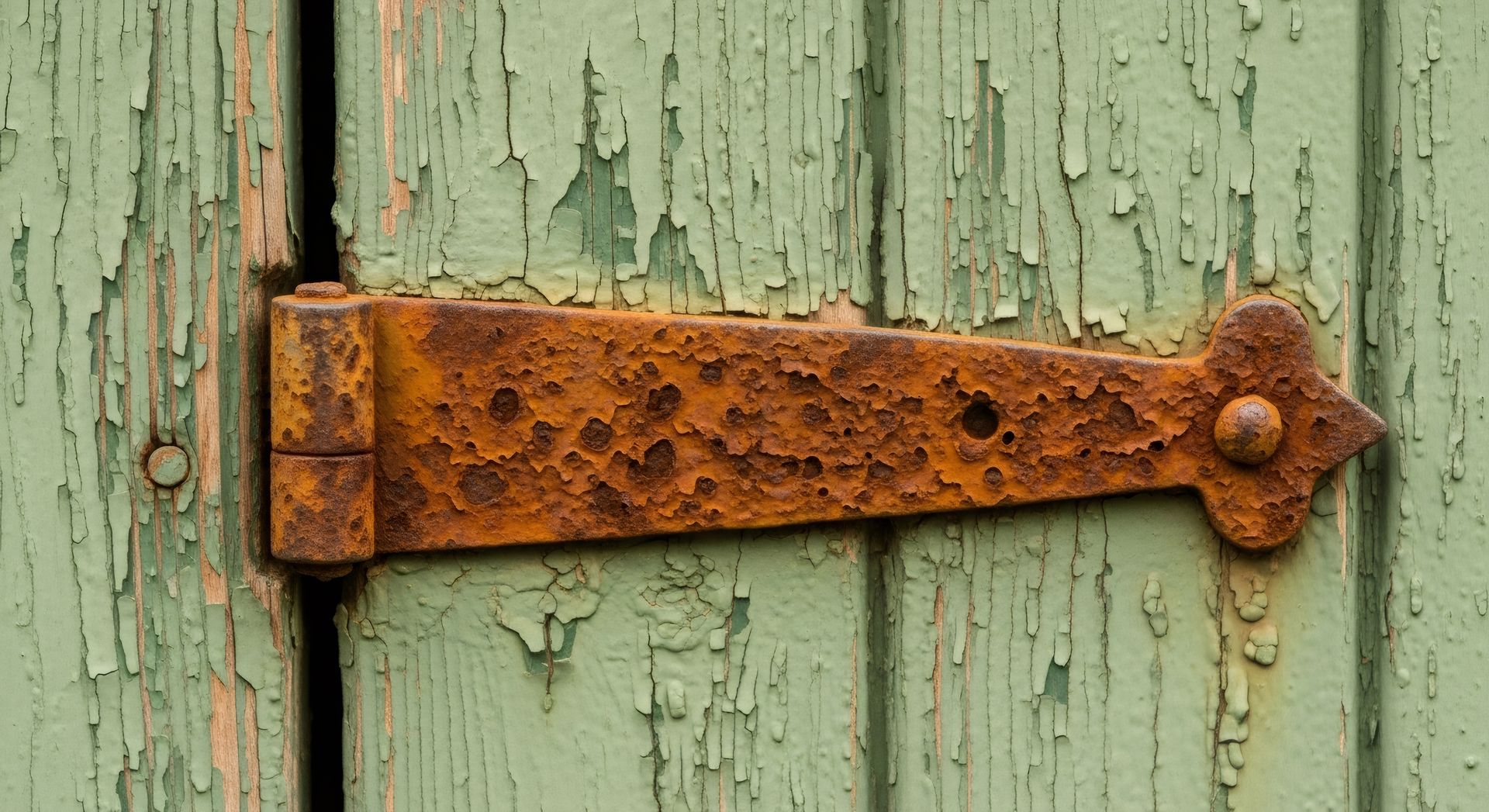
Structural corrosion is more serious. It occurs when rust penetrates through protective coatings and begins eating into the metal components of a portable building or pole barn. Warning signs include:
- Bubbling or flaking metal panels
- Deep pitting
- Softened or weakened framing
- Rust around base rails or anchor points
In Florida, structural corrosion often begins at:
- Ground-contact areas
- Bottom edges of wall panels
- Door frames
- Areas with poor drainage
Once corrosion compromises structural integrity, repairs may require replacement or reinforcement of affected components, especially on portable classrooms, job site offices, storage buildings or larger modular structures.
Coating Maintenance: Your First Line of Defense
Many portable buildings feature galvanized steel siding with factory-applied protective coatings. These coatings are designed to resist rust, but Florida’s environment shortens their lifespan. Periodic maintenance can help these buildings last longer.
Regular Cleaning
Salt buildup is the enemy. Rinse exterior walls with fresh water occasionally, especially if your building is within a few miles of the ocean. Use:
- Low-pressure washing
- Mild detergent with no harsh acids
- Soft brushes for stubborn salt deposits
Avoid abrasive tools that scratch protective coatings.
Inspect Fasteners and Seams
Screws, bolts and seams are common rust starting points. Look for:
- Loose fasteners
- Cracked sealant
- Rust bleed marks
Replacing compromised hardware with corrosion-resistant fasteners rated for coastal use can prevent corrosion from advancing to surrounding metal.
Touch-Up Coatings Immediately
If you see scratches or exposed metal:
- Lightly scuff the area to remove loose rust
- Apply a rust-inhibiting primer compatible with galvanized steel
- Recoat with a matching exterior paint system
Waiting too long allows oxidation to spread beneath the paint layer.
Elevation and Drainage Matter in Florida
Ground moisture is one of the most significant contributors to corrosion in Florida’s climate. Buildings placed directly on soil or on poorly drained surfaces face greater long-term exposure to standing water and saturated conditions at the base.
Proper site grading, stable base preparation and drainage planning at the time of installation help reduce prolonged moisture contact with framing and metal components.
Placement decisions should account for runoff patterns, low spots and irrigation exposure to ensure water moves away from the structure rather than pooling around it.
While coastal air cannot be controlled, minimizing constant moisture at ground level plays a critical role in long-term durability.
When to Consider Upgrades or Protective Enhancements
If your portable building will remain near the coast long term, consider:
- Upgraded corrosion-resistant panel options
- Enhanced paint systems
- Additional sealant at seams
Different building types, from portable storage units to modular office spaces, may require different maintenance intervals based on usage, exposure and location.
Preventative maintenance is far less expensive than needing to replace a portable building or pole barn.
Protect Your Portable Storage Building, Carport or Pole Barn From Harsh Gulf Coast Conditions
Our team can help you choose the right portable building solution, understand coastal maintenance requirements and advise on placement strategies that reduce long-term corrosion risk.
Call Bestway Portable Buildings today at (850) 747-8974 or request a quote here today to learn more about corrosion-resistant portable building solutions built for Florida’s coast.